
Stop Refilling Your Pool Every Week
Professional pool leak detection and repair for Phoenix & Paradise Valley, AZ homeowners dealing with unexplained water loss
When you're adding water to your pool more than once a week and your water bill keeps climbing, you're likely dealing with a leak that's hidden in the plumbing, shell, or equipment pad. In Phoenix and Paradise Valley, AZ, where evaporation is already high, it can be hard to tell the difference between normal loss and a slow leak. Sonoran Pool Pros LLC uses pressure testing and dye testing to locate leaks in underground lines, return fittings, skimmers, and structural cracks that aren't visible from the surface.
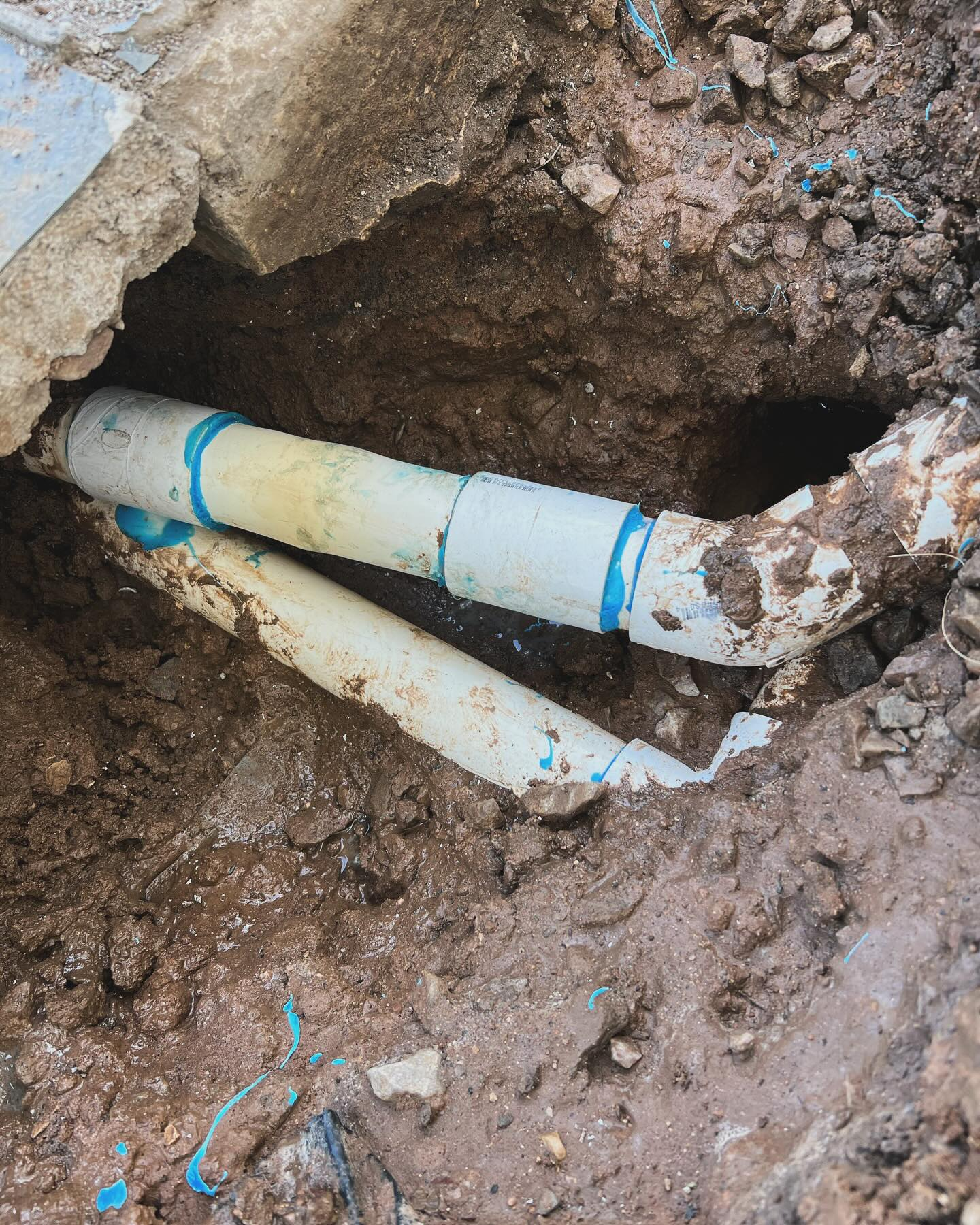
Leak detection involves isolating each section of the pool's plumbing system and testing for pressure drops that indicate a breach. If the leak is in the shell, dye is used near suspected cracks or separation points to watch for movement. Once the source is confirmed, the repair might involve patching the shell, replacing a section of PVC pipe, resetting a skimmer, or sealing a compromised fitting.
If you've noticed damp soil near your equipment or the pool deck, or if your water level drops faster than it should, get in touch to schedule a leak detection appointment in Phoenix and Paradise Valley, AZ.
How Our Process Works
The leak detection process in Phoenix and Paradise Valley, AZ, starts with a visual inspection of your pool shell, equipment, and surrounding deck for obvious signs like cracks, wet spots, or loose tiles. Then the system is pressurized to test individual plumbing lines and identify where pressure is being lost.
After the leak is located and repaired, you'll stop losing water at the same rate, your pump won't run dry, and you'll avoid further damage to the pool's foundation or surrounding hardscape. Sonoran Pool Pros LLC provides accurate diagnostics so repairs target the actual problem instead of guessing based on symptoms.
Repairs vary depending on the leak location. Underground plumbing leaks require excavation and pipe replacement. Shell leaks are patched using epoxy or hydraulic cement depending on the crack size. Skimmer and return line leaks often involve removing the fitting, cleaning the bond surface, and resetting it with pool-grade sealant. Repairs are completed as soon as the source is confirmed and access is clear.
What to Expect When You Book
Homeowners dealing with suspected leaks usually want to know how the leak is found, how long repairs take, and whether the pool needs to be drained.
Undetected leaks don't fix themselves and the longer they go unaddressed, the more damage they cause to your pool's structure and surrounding landscape. Reach out to schedule leak detection in Phoenix and Paradise Valley, AZ, and stop losing water you're paying for.